Why Architectural Visualisation is Key for Design
- Karan Vagadia
- Apr 6
- 4 min read
When I first stepped into the world of architectural design, I quickly realised that a blueprint or a sketch only tells part of the story. The real magic happens when you can see a design come to life before a single brick is laid. That’s where architectural visualisation steps in. It’s not just a tool; it’s the bridge between imagination and reality. Let me take you through why architectural visualisation is absolutely key for design, and how it can transform your projects from concepts into captivating experiences.
The Power of Architectural Visualisation for Design
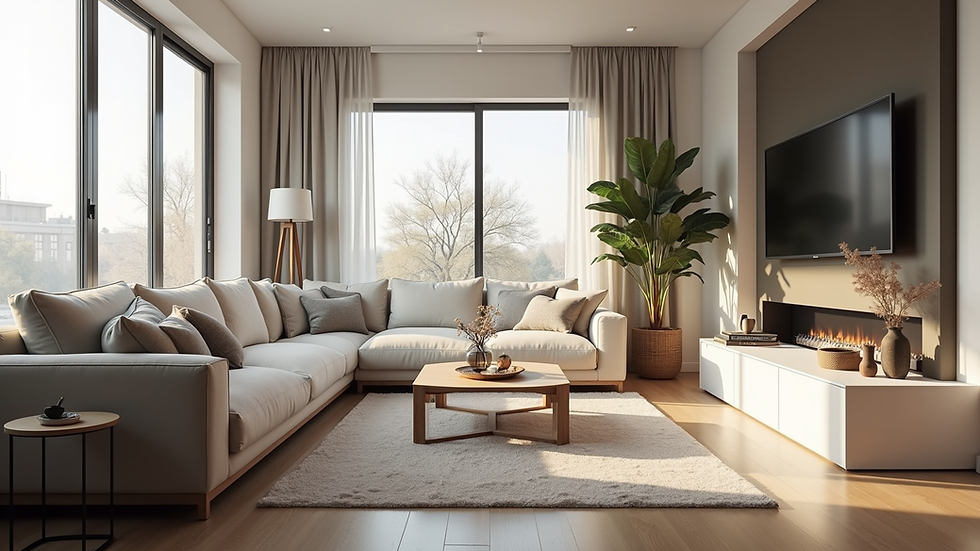
Imagine trying to explain a complex building design using only technical drawings. It’s like describing a sunset without showing its colours. Architectural visualisation fills that gap by creating vivid, photorealistic images or animations of a design. This allows you to see the space, the light, the materials, and the atmosphere long before construction begins.
This visual clarity helps in several ways:
Improved Communication: Whether you’re working with clients, contractors, or stakeholders, visualisations make it easier to share your vision. People understand images faster than technical jargon.
Early Problem Detection: Spotting design flaws or spatial issues early saves time and money. You can tweak the design digitally rather than on-site.
Enhanced Marketing: Stunning renders attract buyers and investors by showcasing the potential of a property in its best light.
For example, when I worked on a residential project, the client was unsure about the interior layout. Using 3D visualisation, we created a walkthrough that allowed them to experience the space virtually. They could suggest changes, and we avoided costly revisions later.
How Architectural Visualisation London Elevates Your Design Process
If you’re based in the UK or working on projects here, tapping into expert services like architectural visualisation london can be a game-changer. These specialists understand the local architectural styles, planning regulations, and client expectations, which means your visualisations are not only beautiful but also contextually accurate.
Here’s how partnering with a skilled visualiser can elevate your design process:
Tailored Visuals: They create images that reflect your unique style and project goals.
Faster Turnaround: Experienced teams deliver high-quality renders quickly, keeping your project on schedule.
Versatile Outputs: From still images to immersive VR experiences, you get multiple ways to present your design.
Collaborative Feedback: Visualisers often work closely with you, incorporating feedback to refine the visuals until they perfectly match your vision.
I’ve found that working with a dedicated visualisation expert not only improves the quality of the final product but also builds client confidence. When clients see a realistic preview, they feel more involved and excited about the project.
Bringing Designs to Life with Emotional Impact
Design is not just about structures; it’s about creating spaces that evoke feelings. Architectural visualisation helps you tap into that emotional layer. By carefully choosing lighting, textures, and perspectives, you can tell a story through your visuals.
Think of it like painting with light and shadow. A well-lit render can make a room feel warm and inviting or sleek and modern. Adding greenery or people in the scene can suggest lifestyle and scale, helping viewers imagine themselves in the space.
For instance, in a recent commercial project, we used dusk lighting to highlight the building’s glass facade, creating a sense of vibrancy and energy. This emotional resonance made the design more compelling to investors.
Tips to enhance emotional impact in your visualisations:
Use natural light to create mood and depth.
Include realistic materials and textures.
Add subtle details like furniture, plants, or artwork.
Choose camera angles that highlight the best features.

Practical Benefits for Architects, Interior Designers, and Property Developers
Architectural visualisation is not just a fancy add-on; it’s a practical necessity for professionals involved in design and development. Here’s why:
Architects: Visualisation helps you test design ideas and communicate complex concepts clearly. It also supports planning applications by providing realistic images for approval boards.
Interior Designers: You can experiment with colour schemes, furniture layouts, and finishes without physical samples. This saves time and reduces waste.
Property Developers: Marketing pre-construction is easier with eye-catching visuals that attract buyers and investors. It also helps in securing funding by presenting a polished, professional image.
By integrating visualisation early in your workflow, you reduce misunderstandings and speed up decision-making. It’s like having a crystal ball that shows you the future of your project.
Moving Beyond Static Images: The Future of Architectural Visualisation
The world of architectural visualisation is evolving rapidly. While static images remain powerful, new technologies are opening exciting possibilities:
Virtual Reality (VR): Step inside your design and explore it in 3D. VR offers immersive experiences that help clients truly understand spatial relationships.
Augmented Reality (AR): Overlay digital models onto real-world environments using smartphones or tablets. This is great for on-site presentations.
Interactive Walkthroughs: Allow users to navigate a space at their own pace, changing finishes or furniture in real-time.
Embracing these tools can set your projects apart and provide a richer, more engaging experience for everyone involved.
Making Architectural Visualisation Work for You
If you’re ready to harness the power of architectural visualisation, here are some actionable steps to get started:
Define Your Goals: What do you want to achieve with your visualisations? Clear goals help guide the process.
Choose the Right Visualiser: Look for experience, style, and understanding of your project type.
Provide Detailed Briefs: The more information you share, the better the results. Include plans, materials, and design intent.
Review and Collaborate: Treat visualisation as a dialogue. Give feedback and ask for revisions to perfect the images.
Use Visuals Strategically: Incorporate them in presentations, marketing materials, and client meetings to maximise impact.
By following these steps, you’ll unlock the full potential of architectural visualisation and elevate your design projects to new heights.
Architectural visualisation is more than just pretty pictures. It’s a vital tool that brings clarity, emotion, and practicality to design. Whether you’re refining concepts, winning clients, or marketing properties, visualisation helps you tell your story in the most compelling way. Embrace it, and watch your designs come alive like never before.


Comments