Discover 3d Visualisation UK Insights: Bringing Designs to Life
- Karan Vagadia
- Apr 6
- 4 min read
When I first encountered 3D architectural visualisation, it felt like stepping into a new dimension of creativity. Suddenly, blueprints and sketches transformed into vivid, tangible experiences. This technology is not just a tool; it’s a bridge between imagination and reality. If you’re involved in architecture, interior design, or property development, you’ll appreciate how this craft can elevate your projects in the UK market.
Let me take you on a journey through the world of 3D architectural visualisation, sharing insights, practical tips, and the magic behind those stunning renders that captivate clients and stakeholders alike.
The Power of 3d Visualisation UK Insights
Understanding the power of 3D visualisation in the UK context means recognising its role in communication and decision-making. It’s more than just pretty pictures. It’s about clarity, precision, and emotional connection.
Imagine presenting a new residential development to a council or investor. A flat plan might leave questions unanswered. But a detailed 3D model? It speaks volumes. It shows how sunlight will hit the building at different times, how materials blend with the environment, and how spaces flow naturally.
Here’s why 3D visualisation is a game-changer:
Enhanced Communication: It bridges the gap between technical jargon and client understanding.
Risk Reduction: Spot design flaws early before construction begins.
Marketing Edge: High-quality visuals attract buyers and investors faster.
Customization: Easily tweak designs based on feedback without costly reworks.
In the UK, where architectural heritage meets modern innovation, 3D visualisation helps balance tradition with contemporary needs. It’s a tool that respects history while pushing boundaries.
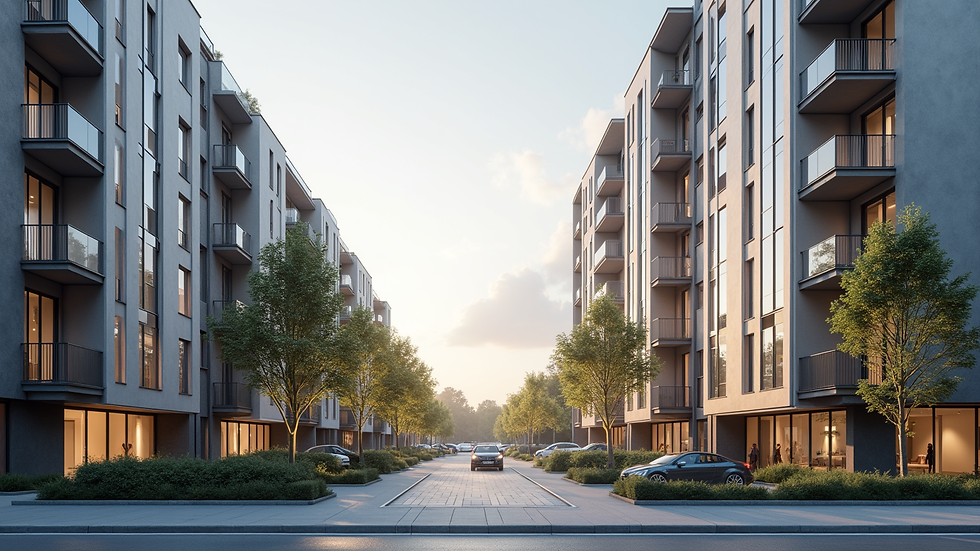
How 3D Architectural Visualisation UK Transforms Projects
When I work on a project, I see 3D visualisation as a storyteller. It narrates the journey from concept to completion. For architects and designers, this means more than just showing a building; it means evoking a feeling, a lifestyle, or a vision.
Take, for example, an interior design project for a boutique hotel in London. Using 3D visualisation, I can create immersive walkthroughs that let clients experience the ambiance before a single brick is laid. They can explore lighting effects, furniture placement, and colour schemes in real time.
This approach offers several practical benefits:
Client Engagement: Clients feel involved and confident in their choices.
Design Validation: Visuals help validate design decisions with real-world context.
Time Efficiency: Faster approvals and fewer revisions save valuable time.
Competitive Advantage: Stand out in a crowded market with compelling presentations.
The UK’s diverse architectural styles—from Georgian terraces to cutting-edge skyscrapers—demand tailored visualisation techniques. Whether it’s a heritage restoration or a futuristic office block, 3D visualisation adapts seamlessly.
The Creative Process Behind Stunning 3D Visuals
Creating a compelling 3D architectural visualisation is both an art and a science. I start by gathering every detail: plans, elevations, material samples, and client preferences. Then, the real magic begins.
The process typically unfolds in these stages:
Modelling: Building a precise 3D structure based on architectural drawings.
Texturing: Applying realistic materials like brick, glass, or wood.
Lighting: Simulating natural and artificial light to enhance mood.
Rendering: Generating high-resolution images or animations.
Post-Production: Adding final touches such as colour correction and effects.
Each step requires attention to detail and a deep understanding of architectural principles. For example, lighting isn’t just about brightness; it’s about creating atmosphere and highlighting key features.
I often use software like 3ds Max, V-Ray, and Lumion, which are industry standards in the UK. These tools allow me to produce visuals that are not only accurate but emotionally resonant.

Practical Tips for Maximising 3D Visualisation Impact
If you’re considering integrating 3D visualisation into your workflow, here are some actionable tips I’ve learned along the way:
Start Early: Incorporate visualisation from the initial design phase to guide decisions.
Be Clear About Goals: Define what you want to achieve with each render—marketing, planning, or client presentations.
Focus on Realism: Use accurate materials and lighting to build trust and credibility.
Leverage Animation: Walkthroughs and flyovers can communicate spatial relationships better than static images.
Collaborate Closely: Maintain open communication with your visualiser to ensure your vision is captured.
Remember, the best 3D visualisations don’t just show a building; they tell a story. They invite viewers to imagine themselves within the space, feeling the textures, light, and atmosphere.
Embracing the Future of Architectural Visualisation in the UK
The future of 3D architectural visualisation in the UK is bright and evolving rapidly. Technologies like virtual reality (VR), augmented reality (AR), and real-time rendering are becoming more accessible and affordable.
Imagine putting on a VR headset and walking through your design before it exists. Or using AR to overlay a proposed building onto a real-world site during a client meeting. These innovations will deepen understanding and engagement even further.
As someone passionate about this field, I’m excited to explore these frontiers and help clients bring their visions to life with even greater impact. Whether you’re working on a small renovation or a large-scale development, embracing these tools can transform your approach.
If you want to explore how 3D visualisation can elevate your projects, consider partnering with experts who understand both the technical and emotional aspects of design. For instance, 3d architectural visualisation uk offers tailored services that blend creativity with precision, helping you stand out in a competitive market.
Bringing Your Vision to Life with 3D Visualisation
In the end, 3D architectural visualisation is about more than technology. It’s about connection - connecting ideas to reality, clients to their dreams, and designers to their audience. It’s a journey I’m honoured to be part of, and one that can transform how you approach your projects.
So, why not take the leap? Embrace the power of 3D visualisation and watch your designs come alive in ways you never imagined. The future of architecture and design in the UK is here, vivid and inviting. Let’s build it together.


Comments